November 13, 2026
Maintaining a lush green yard while sharing your outdoor space with pets is a common goal for homeowners. Pets bring immense joy to family life, but their daily bathroom routines frequently produce unsightly yellow burn spots, scorched foliage, and thinning turf. According to Workyard, 80% of U.S. households now engage in gardening or lawn care activities, reflecting how deeply people value outdoor living spaces. Fortunately, homeowners do not need to choose between a pristine lawn and a happy dog. By understanding why urine scorches turf and adopting balanced preventative routines, you can cultivate a resilient sanctuary.
Understanding the Science Behind Pet Urine Burns
The primary culprit behind yellow grass patches is high nitrogen concentration rather than urine acidity. Dog urine contains urea, an organic byproduct of protein digestion. While turf requires moderate nitrogen to thrive, concentrated deposits cause chemical burns. Excess nitrogen salts draw moisture from plant cells via osmosis, dehydrating leaves and scorching root crowns.
This reaction creates dead yellow centers bordered by dark green rings where diluted nitrogen acts like fertilizer. Female dogs often cause more pronounced damage because they squat in one spot, while larger breeds deposit larger fluid volumes.
Selecting Resilient Grass Varieties for Dog-Friendly Yards
Grass varieties vary significantly in their natural tolerance to animal waste. Choosing robust turfgrass species serves as an essential pillar of pet-conscious lawn care. Sensitive, fine-bladed grasses like Kentucky bluegrass absorb nitrogen rapidly, exhibiting noticeable yellowing within hours of urine exposure.
In contrast, resilient cool-season grasses like turf-type tall fescue demonstrate superior tolerance to nitrogen saturation and active paw traffic. Tall fescue develops extensive root systems that draw deep moisture, helping plants dilute surface salts and recover quickly. For southern regions, warm-season options like Zoysia spread rapidly via rhizomes, knitting over damaged spots naturally.
Training Family Dogs to Use Designated Potty Areas
Behavioral training provides a dependable solution to prevent persistent turf damage. Training your pet to relieve itself in a dedicated bathroom area keeps urine away from primary turf expanses. Homeowners can build an attractive relief pad in an accessible corner using pea gravel, decomposed granite, cedar mulch, or drainage-backed artificial turf.
Directing a dog to a designated area requires patience. Lead your pet to the target pad on a leash, offering immediate praise or a treat once they eliminate. Never punish an animal for lawn accidents, as negative reactions encourage sneaky habits. With regular guidance, dogs quickly adopt the pad.
Incorporating Functional Hardscape Elements into Landscape Design
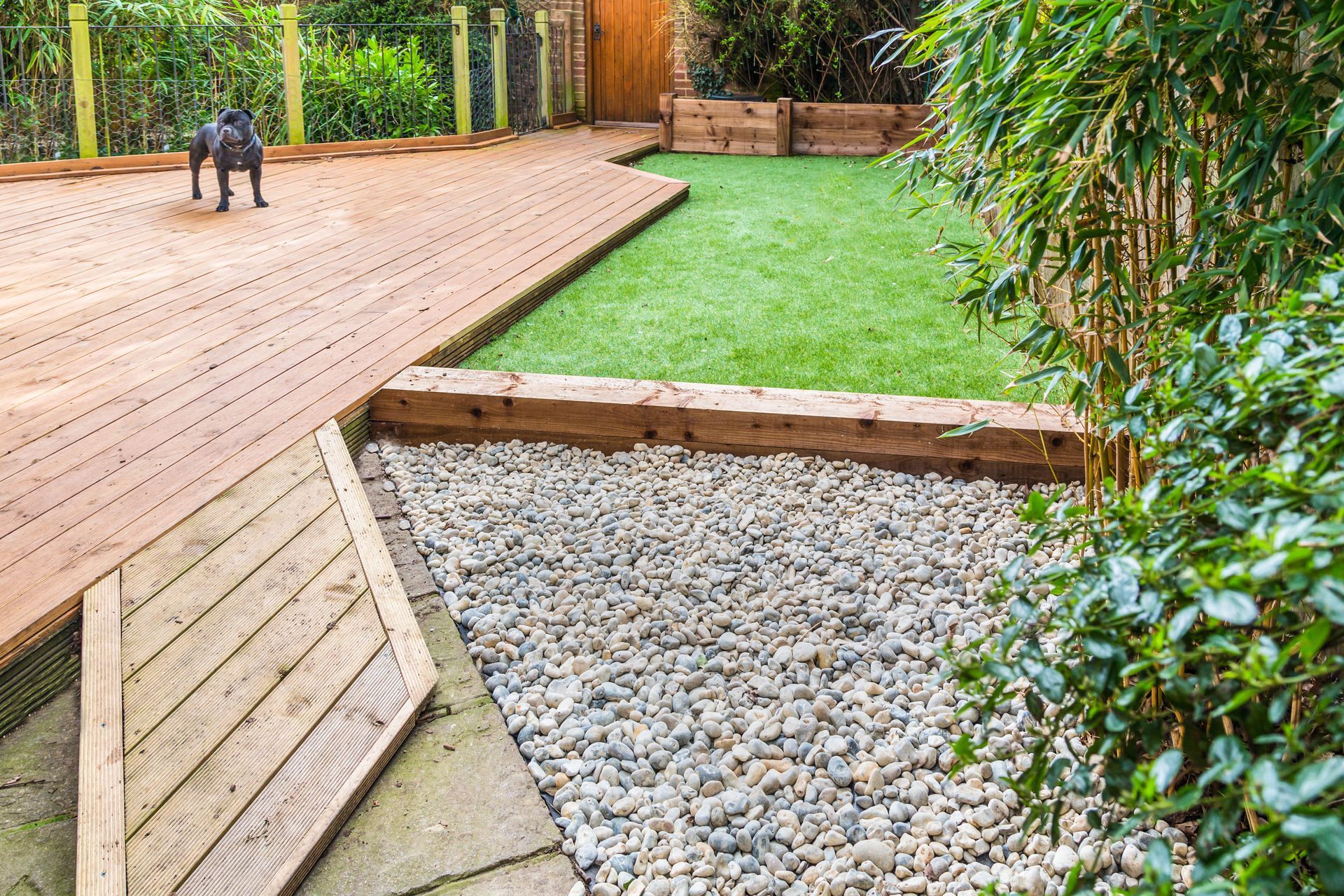
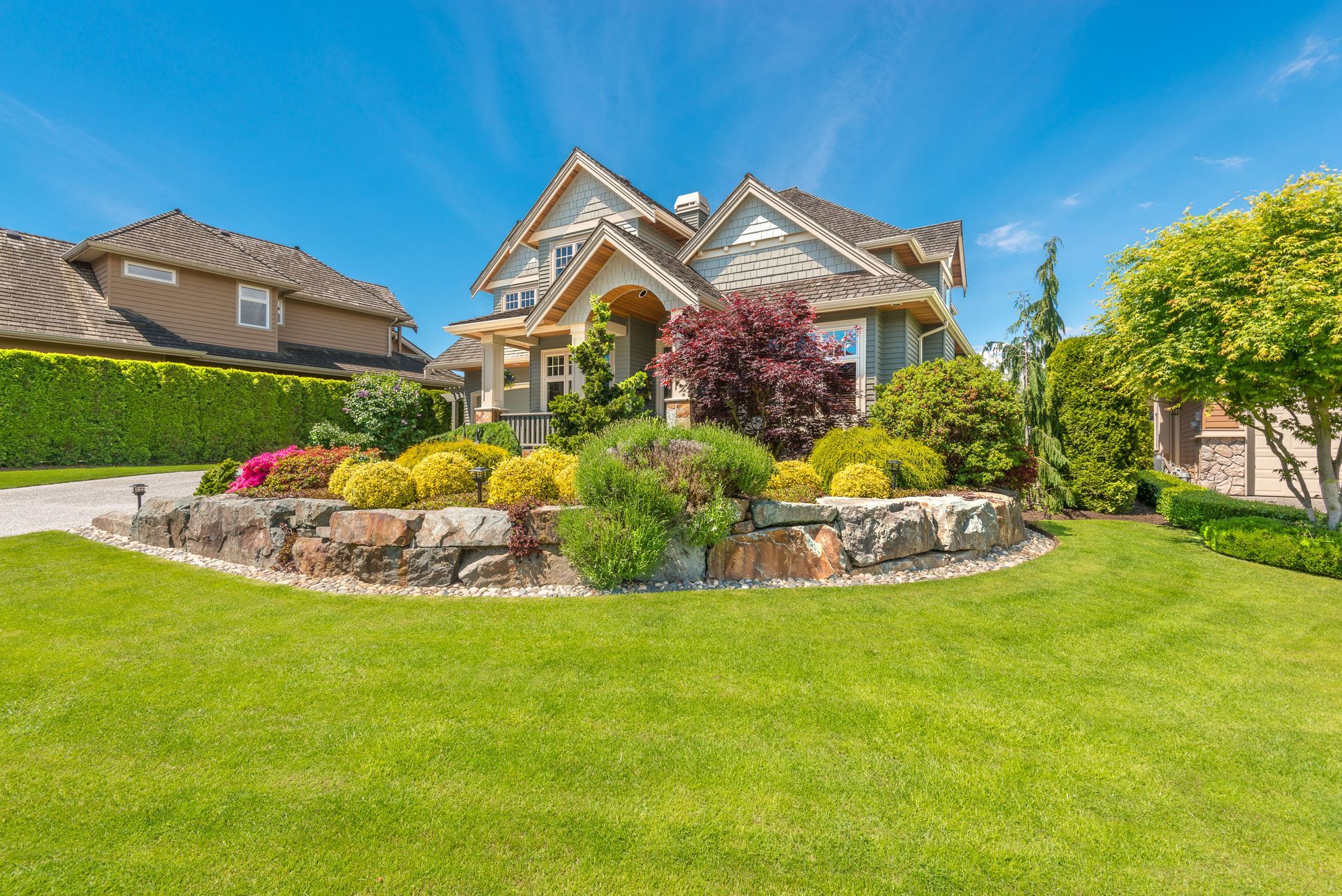
Thoughtful landscape features complement training efforts by directing pet traffic away from delicate grass. Installing stone walkways and gravel pathways creates intuitive travel routes that channel running dogs away from fragile planting beds. Decorative fencing or raised stone planters physically buffer vulnerable turf from foot traffic and urine marking.
In high-traffic play zones, replacing vulnerable natural turf with durable hardscape materials eliminates maintenance headaches. Mulched dog runs or compacted stone corridors provide permeable ground covers that withstand energetic play and drain liquids cleanly without generating mud. For homeowners who desire green turf in dog runs, modern artificial turf offers an effective alternative that drains liquids rapidly.
Managing Canine Dietary Intake and Daily Hydration Levels
Because nutritional intake determines urine composition, managing pet food and fluid consumption directly impacts grass health. Commercial dog foods with high protein levels often supply more nitrogen than an active pet requires for daily metabolism. When processing excess protein, the kidneys excrete surplus nitrogen in urine, increasing its scorching potential. Discussing dietary formulas with your veterinarian helps identify balanced meals that satisfy nutritional needs without overloading urine with nitrogen waste.
Maintaining optimal daily hydration is equally crucial for preserving lawn vitality. Increasing water consumption dilutes urea concentrations, converting harsh waste into a milder liquid. Keep clean water readily available by placing heavy bowls indoors and on shaded patios. During warm weather, encourage drinking by floating ice cubes in water dishes.
Diluting Surface Nitrogen Deposits Through Prompt Watering
Prompt dilution is the simplest and most effective response to canine elimination on natural grass. Keeping a watering can or garden hose positioned near your exterior patio allows you to rinse fresh urination areas quickly. Saturating the spot with clean water immediately after your pet eliminates leaches nitrogen salts deep into the soil before foliage dehydrates. Dilution is an effective lawn care technique that costs virtually nothing while delivering immediate turf protection.
In addition to emergency rinsing, establishing a deep irrigation schedule builds resilient turf. Shallow watering keeps roots confined near the surface where scorching occurs most intensely. Irrigating deeply once or twice weekly encourages roots to penetrate several inches underground, below surface salt deposits. Morning watering allows foliage to dry quickly, minimizing fungal risks.
Conditioning Subsurface Soil Layers Through Core Aeration
Soil texture and density determine whether pet urine drains away smoothly or pools around root crowns. Dense clay and compacted earth prevent liquids from sinking, trapping concentrated salts where they scorch roots. Compacted soil also restricts oxygen flow and limits microbial activity, weakening turf resilience.
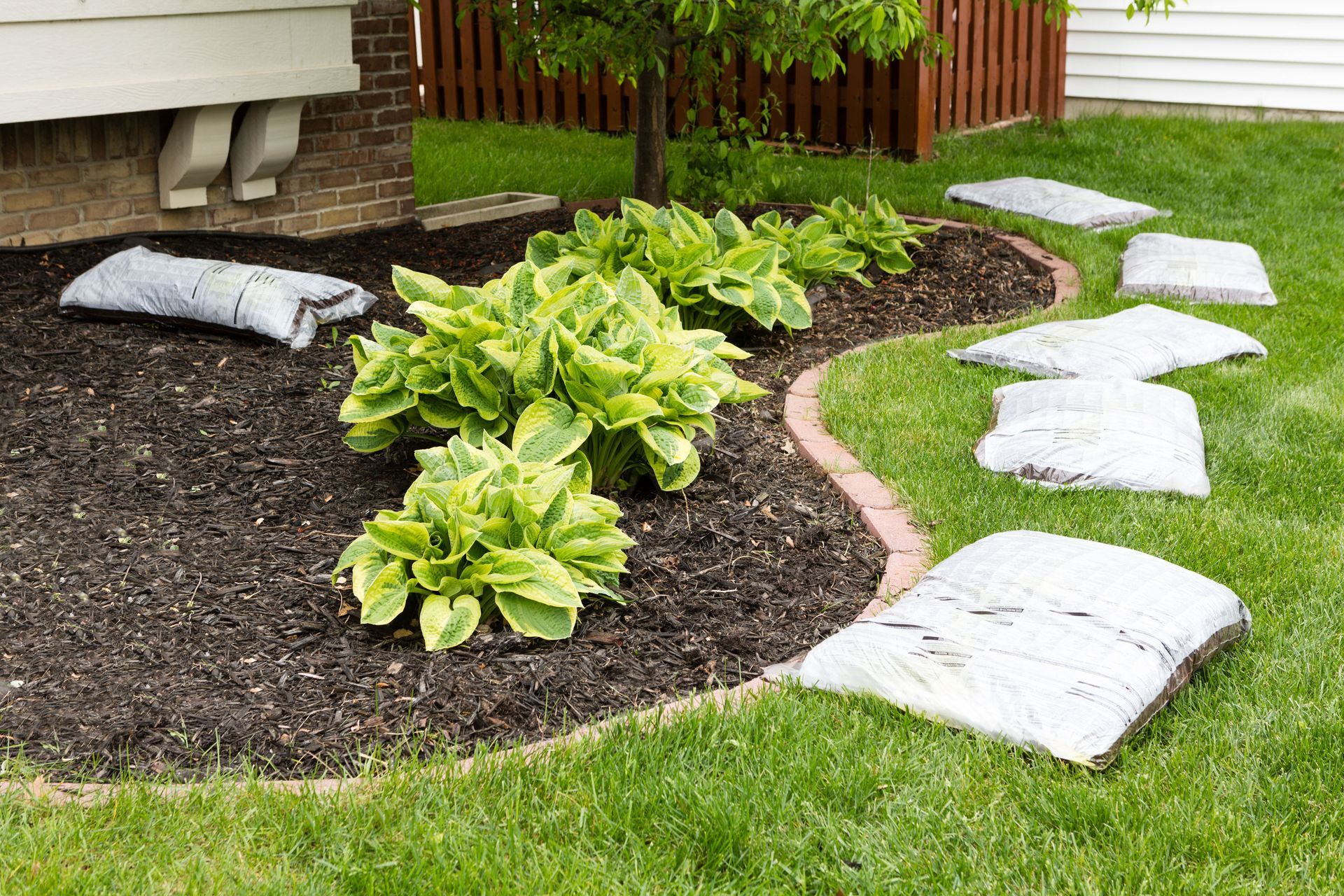
Performing annual core aeration alleviates compaction by pulling small soil plugs across the yard. This process opens vertical pathways that allow water, oxygen, and nutrients to penetrate deeply. Topdressing with organic compost introduces beneficial microbes that break down waste naturally. Enhancing soil structure through standard organic lawn care practices creates an absorbent root environment that dissipates chemical shocks.
Applying Non-Toxic Fertilizers and Pet-Safe Soil Amendments
Homeowners frequently compound urine damage by spreading synthetic nitrogen fertilizers across lawns that already receive heavy nitrogen deposits from family pets. Because pet urine supplies abundant nitrogen, adapting your lawn care regimen by switching to slow-release organic fertilizers prevents excessive chemical accumulation. Slow-release products distribute nutrients gradually over months, preventing aggressive top growth and elevated soil salinity.
Beneficial soil conditioners like humic acid and gypsum further protect lawns from salt damage. Humic acid binds excess minerals, enhances soil biology, and buffers plants against chemical shocks. Gypsum loosens compacted clay particles and displaces accumulated sodium without raising overall soil pH levels. Always inspect product packaging to ensure fertilizers and soil treatments are certified non-toxic and pet-safe once watered in.
Repairing Yellow Urine Spots Through Targeted Reseeding
Despite your best preventative measures, occasional yellow spots can develop during periods of hot weather or dry spells. Promptly repairing damaged patches keeps lawns uniform while preventing opportunistic weeds from gaining a foothold. Begin the restoration process by vigorously raking away dead thatch to expose bare soil.
Thoroughly soak the cleared spot with clean water to leach away residual salts. Next, scatter a thin layer of screened topsoil or aged compost over the area, blending in gypsum to restore balanced soil conditions. Distribute a generous pinch of resilient grass seed, pressing seeds firmly into the damp soil. Mist the patch lightly each morning to maintain moisture until new seedlings reach full maturity.
Establishing Long-Term Maintenance Practices for Turf Health
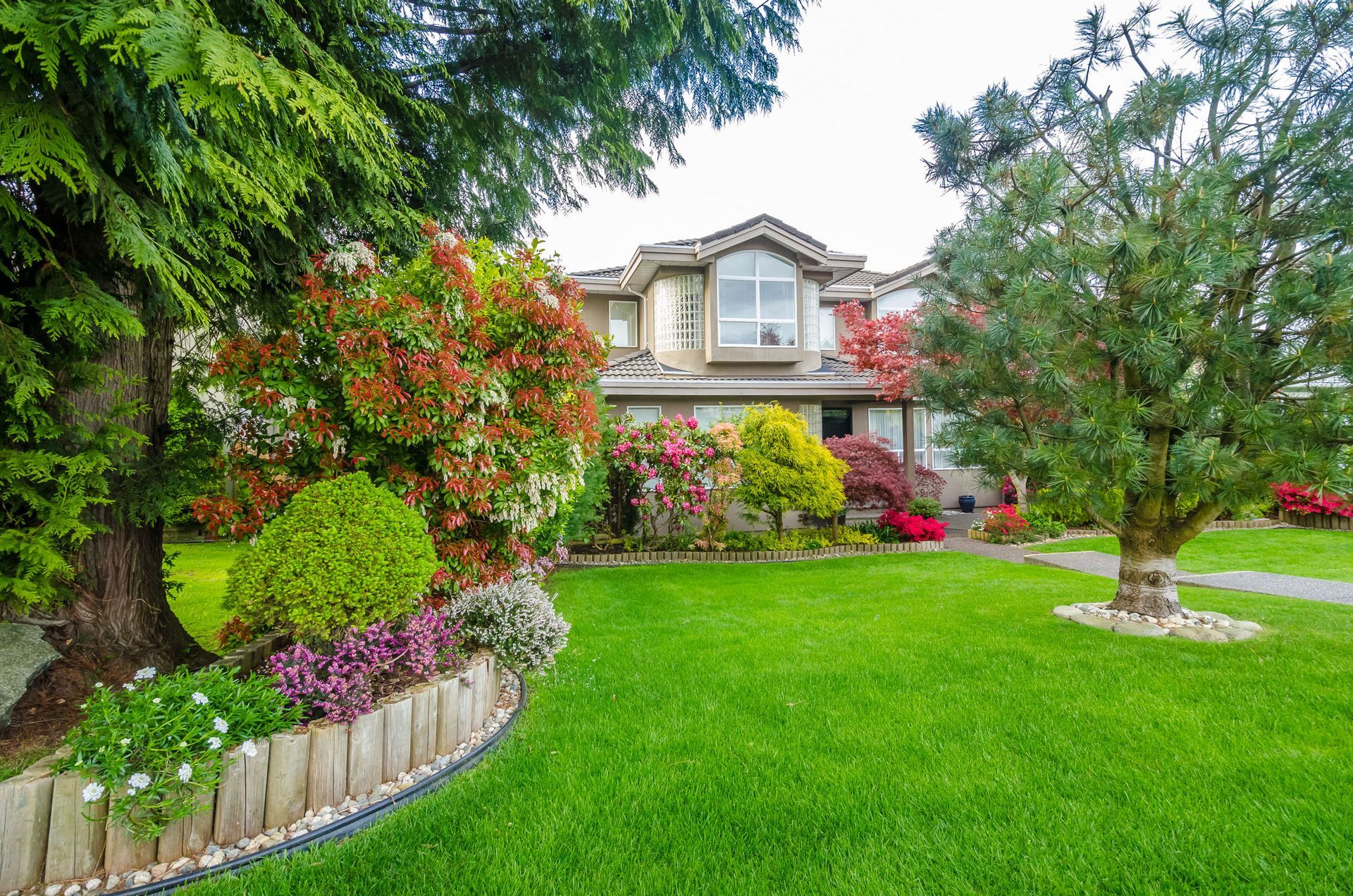
Cultivating a lush, dog-friendly landscape requires a balanced approach combining smart pet management with proactive lawn care practices. By integrating proper pet hydration, focused bathroom training, thoughtful hardscaping, and consistent soil maintenance, you can protect your turf from discoloration without restricting your pet's outdoor freedom. A thoughtful strategy allows your family to enjoy a dense, healthy lawn alongside playful companions year after year.
Maintaining high aesthetic standards while accommodating active animals is an achievable goal when you implement dedicated
lawn care solutions. For personalized consultations, custom treatment schedules, and expert turf solutions, contact the dedicated professionals at Robards & Sons Lawn Care Inc today.