July 24, 2026
The mid-summer sun can often leave your lawn looking scorched and unhealthy. Swift actions are necessary to revive your grass and restore its lush appearance. This article outlines essential steps to rescue a sunburned lawn efficiently and effectively. Understanding the causes of lawn sunburn and implementing corrective actions is crucial for recovery. By following these guidelines, you can ensure your lawn remains vibrant and resilient even during scorching summers.
Understanding the Causes of Lawn Sunburn
The Role of Intense Sunlight
Exposure to harsh sunlight can dehydrate grass, leading to a sunburned appearance. During peak summer months, the sun’s rays can strip moisture from grass blades, causing them to dry out and turn brown. This dehydration process is exacerbated by prolonged periods without precipitation. Understanding this mechanism is pivotal in timing watering schedules and shading solutions. Employing strategies to shield grass from excessive sunlight is critical for prevention.
Impact of Infrequent Watering
Insufficient hydration exacerbates damage from the sun, increasing lawn stress. Grass requires consistent moisture, especially under the harsh glare of the sun. When watering is sparse, the root systems become stressed and less capable of drawing necessary nutrients. This can lead to weakened grass that is highly susceptible to sunburn. Implementing a regular watering schedule helps maintain adequate hydration and resilience.
Poor Soil Quality
Depleted soil offers little resistance to sun damage, hastening lawn deterioration. Nutrient-poor soils struggle to retain moisture and do not provide a conducive environment for healthy grass growth. Regular soil testing and amendments can identify deficiencies early, allowing for corrective measures. By enriching soil with organic matter, you can increase its water retention capacity. Healthy soil forms the foundation for a robust lawn capable of withstanding the sun's intensity.
Lack of Shade
Areas without natural or artificial shade are particularly vulnerable to sunburn. Grass in open spaces receives uninterrupted sunlight exposure, creating hot spots that rapidly dry out. Strategically planting trees or installing temporary shades can mitigate this effect. Even a brief respite from the sun can significantly reduce temperatures and protect grass. Creating shaded areas is a proactive measure in lawn care strategy.
Wrong Choice of Grass Species
Not all grass types are well-suited to withstand intense summer heat. Different species have varying tolerance to temperature extremes and arid conditions. It is vital to select grass varieties compatible with your regional climate. Some grass breeds are specifically bred to thrive in heat, offering built-in resistance to sunburn. Researching and choosing the right grass type can prevent future scorching.
Immediate Actions to Counteract Damage
Assess the Damage
Conduct a thorough examination to identify affected areas and the extent of damage. Begin by visually inspecting the lawn, noting discoloration patterns and texture changes. Test soil moisture with a simple probe to gauge hydration levels at different depths. Mapping the most affected zones enables targeted treatment efforts. This strategic assessment is your first step toward effective lawn recovery.
Deep Watering Techniques
Utilize deep watering methods to ensure moisture reaches grass root systems. Aim to water deeply but less frequently, encouraging roots to grow deeper in search of water. Deep watering reduces surface evaporation, maintaining moisture around roots for longer periods. Use hoses, sprinklers, or drip irrigation systems to administer adequate water volume at strategic intervals. This technique strengthens grass against recurring sunburn.
Temporary Shading Solutions
Use tarps or shade sails to provide temporary relief from direct sunlight. Position these covers during peak sunlight hours to shield vulnerable patches. Temporary shades are a practical short-term solution offering immediate cooling and moisture retention benefits. Adjustments may be needed to optimize their effectiveness across different lawn areas. Shading is a critical component in your immediate response toolkit.
Application of Lawn Feeds
Choose lawn foods rich in nitrogen to encourage vigorous grass recovery. Nitrogen is crucial for promoting growth and vibrant green coloration in stressed grass. Apply fertilizers according to manufacturer instructions, ensuring balanced application across affected zones. Over-fertilization can harm more than it helps, so adherence to guidelines is paramount. The right nutrient boost propels recovery and resilience.
Reduce Lawn Traffic
Minimize movement on affected areas to prevent further compaction and stress. Walking on stressed grass can damage roots and blades, worsening the condition. Redirect foot traffic using signage or barriers until recovery is evident. If necessary, create temporary path alternatives to protect healing zones. Reduced compaction fosters faster recuperation and healthier grass growth.
Selecting the Right Treatments for Revitalization
Soil Amendment Strategies
Incorporate organic matter to improve soil health and resilience. Compost, manure, or mulched leaves add essential nutrients and boost water retention. Amendments introduce beneficial microorganisms that enhance soil structure and fertility. Regularly scheduled amendments help sustain long-term lawn vitality and resilience against future sunburn. A well-amended soil bed is foundational for a healthy lawn environment.
Efficient Irrigation Practices
Implement smart watering systems to provide consistent hydration. Efficiency prevents water wastage while meeting the lawn’s moisture demands. Timed sprinkler systems or precision drip irrigation can optimize water use according to ambient conditions. These systems help maintain a balance, preventing overwatering that could leach nutrients or foster disease. Strategic irrigation is crucial in sustaining grass health amid climate shifts.
Grass Reseeding Tips
Choose sun-tolerant grass seeds to fill in damaged patches. When grass fails to recover, reseeding offers a chance for renewal. Select species adapted to sunlight exposure and drought conditions for your area. Prepare the soil before reseeding by lightly aerating and ensuring good seed-to-soil contact. Properly selected and planted seeds will fill in patches and strengthen your lawn's future against sunburn.
Use of Lawn Conditioners
Apply conditioners that contain vital nutrients for growth. Conditioners can supplement traditional fertilizers, offering benefits for stressed lawns. They often include ingredients that promote soil aeration and root development. Regular use contributes to ongoing lawn vitality, especially during stress periods. Conditioners should be regarded as a part of a regular lawn care regimen.
Implementing Aeration Processes
Aerate the soil to enhance oxygen flow and nutrient uptake by grass roots. The procedure involves perforating the soil, allowing air, water, and nutrients deeper penetration. Aeration alleviates soil compaction, improving moisture access and root expansion. It’s best performed in conjunction with fertilizing or soil amendments for maximum benefit. Aeration not only aids current grass health but also strengthens resistance to future stressors.
Preventive Measures for Future Protection
Proper Mulching Techniques
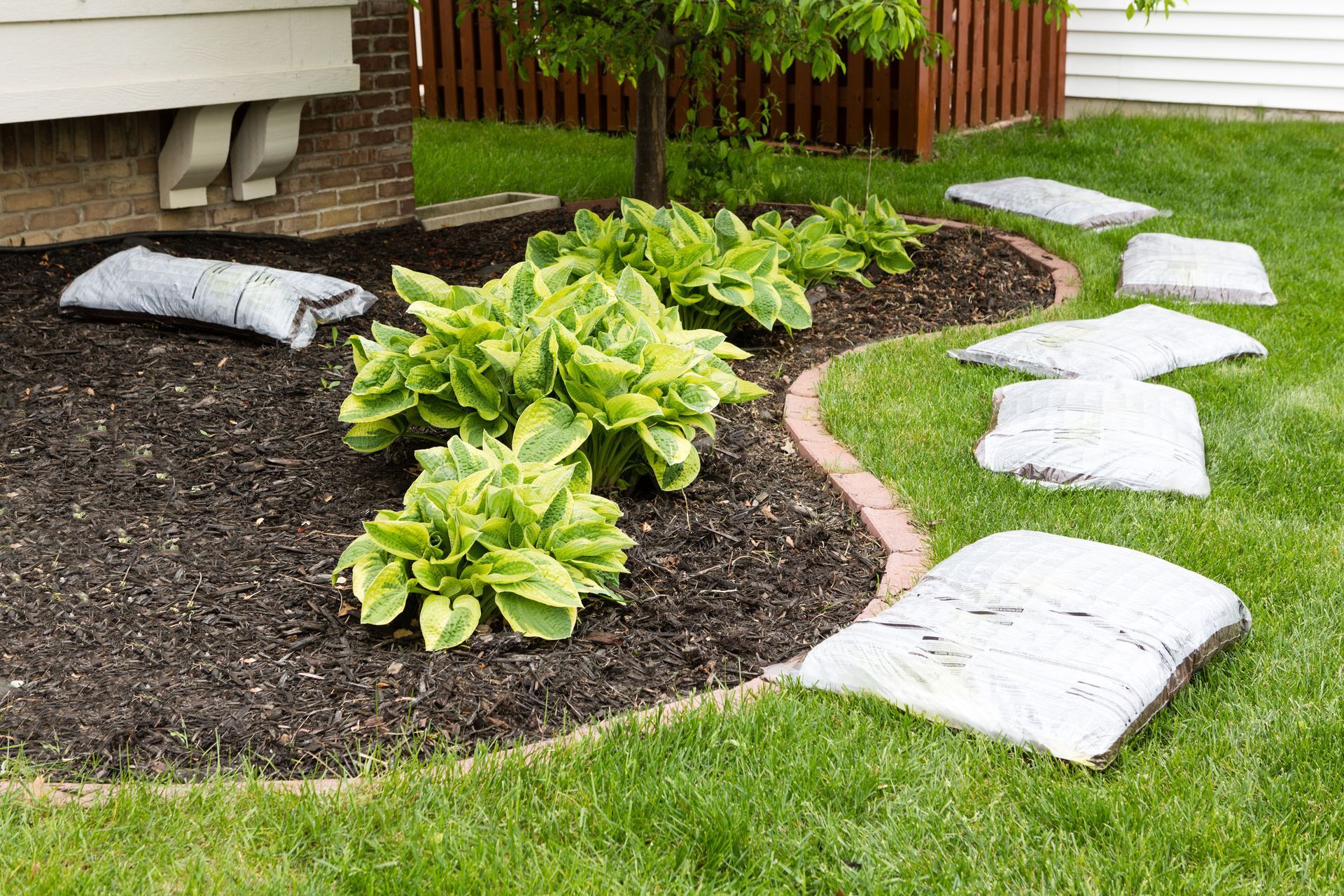
Use mulch to retain moisture and regulate soil temperature. Mulch conserves water by reducing evaporative loss from the soil surface. It also protects soil from direct sun, moderating temperature fluctuations that can stress grass. Regular mulching aids in keeping soil organic matter levels high and weed growth low. Employing effective mulching practices guards against the primary elements of lawn degradation.
Seasonal Fertilizing Schedules
Follow a fertilizing plan to ensure lawns have strong resistance to stress. Fertilization enhances growth vigor while bolstering resistance to extreme weather and pathogens. Develop a schedule that aligns with the growth cycle of grass for optimal nutrient delivery. Each application should factor in climatic trends for treatment. A deliberate approach to fertilization underpins a resilient, sunburn-resistant lawn.
Reviving a sunburned lawn requires understanding the causes, taking immediate corrective actions, and implementing preventive measures. Through diligent care and strategic interventions—often with professional help—your lawn can return to its lush, green state even in the face of summer challenges. The process is about building resilience and ensuring that recovery strategies are well-adjusted and maintained. With attention to detail and commitment, your lawn will flourish, providing beauty and pride to your outdoor spaces. This comprehensive guide equips you for expertly managing and reviving sun-scorched grass. Be sure to reach out to Robards & Sons Lawn Care Inc today to learn more about our professional lawn fertilizing!