June 29, 2026
A healthy lawn depends on much more than mowing, watering, and fertilizing. Beneath every lush, green yard is a complex soil structure that supports root growth, nutrient absorption, and moisture retention. Over time, however, everyday use and environmental conditions can cause soil to become compacted. Foot traffic, heavy equipment, rainfall, and even natural settling can press soil particles together, making it difficult for grass roots to access the resources they need. When this happens, lawns may begin to look thin, discolored, or unhealthy despite receiving regular care.
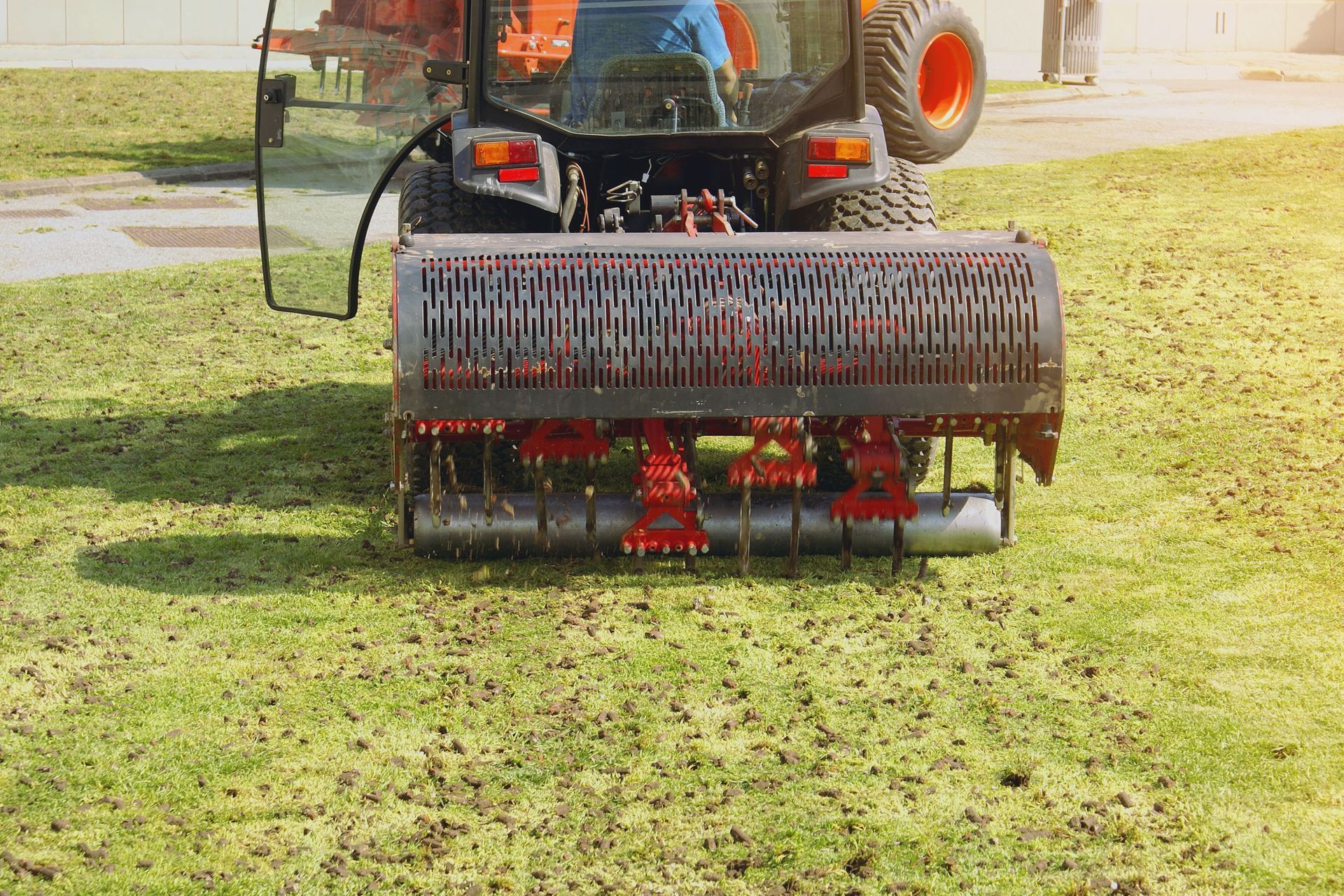
One of the most effective ways to address soil compaction and improve overall turf health is through lawn aeration. This process involves removing small plugs of soil to create openings that allow air, water, and nutrients to penetrate deeper into the ground. While it may seem like a simple service, aeration delivers significant long-term benefits that help lawns grow stronger and more resilient. Understanding how lawn aeration improves soil health can help homeowners make informed decisions about maintaining a vibrant and durable landscape.
Improving Soil Structure
Healthy soil contains a balance of solid particles and open spaces. These spaces allow water, oxygen, and nutrients to move freely throughout the root zone. As soil becomes compacted, those vital channels begin to disappear. The result is a dense surface that restricts movement below ground and limits the ability of grass roots to thrive. Soil compaction can occur gradually over many years, often without homeowners realizing it until visible lawn problems begin to appear. Factors such as frequent foot traffic, heavy equipment use, and repeated rainfall can all contribute to increasing soil density and reducing overall lawn performance.
Lawn aeration helps restore the natural structure of the soil by creating openings that relieve pressure beneath the surface. Removing small plugs of soil allows the ground to loosen naturally and improves the balance between soil particles and pore space. This healthier structure supports better biological activity and creates an environment where grassroots can expand more easily. Improved soil structure serves as the foundation for stronger turf and healthier long-term growth. It also helps beneficial microorganisms thrive, encouraging natural nutrient cycling and creating conditions that support a greener, thicker, and more resilient lawn.
Improving Air Circulation
Grass roots require oxygen to survive and perform essential functions. When soil becomes compacted, oxygen levels beneath the surface decrease, limiting root development and reducing overall lawn health. Poor airflow can also affect beneficial microorganisms that contribute to nutrient cycling and organic matter decomposition. Without adequate oxygen, the entire soil ecosystem can become less productive.
By creating pathways through compacted soil, lawn aeration increases oxygen availability throughout the root zone. Air can move more freely below the surface, helping roots function more efficiently and encouraging healthy microbial activity. Improved air circulation supports stronger root systems and creates conditions that allow grass to grow more vigorously throughout the growing season.
Improving Water Penetration
One common symptom of compacted soil is poor water absorption. Instead of soaking into the ground, water often runs across the surface or collects in puddles. This not only wastes water but also prevents moisture from reaching the roots where it is needed most. Areas of standing water may also increase the risk of disease and other lawn problems.
According to EIN Presswire, about 25% of homeowners across the United States report dealing with soil compaction in their lawns. Aeration helps address this issue by creating channels that allow water to penetrate deeper into the soil profile. As moisture moves more effectively into the root zone, grass can access a more consistent supply of water. This encourages deeper rooting and improves the lawn's ability to withstand periods of drought or heat stress.
Improving Nutrient Availability
Fertilizers and organic soil amendments are designed to provide essential nutrients that support healthy grass growth. However, compacted soil can prevent these nutrients from reaching the roots efficiently. Nutrients may remain near the surface or wash away before they can be absorbed, reducing the effectiveness of lawn care efforts and limiting overall results.
Lawn aeration improves nutrient availability by opening pathways that allow fertilizers and organic matter to move deeper into the soil. This improved access enables roots to absorb nutrients more efficiently and supports stronger growth. Better nutrient distribution also helps create a more uniform appearance across the lawn, reducing weak spots and encouraging thicker turf coverage.
Improving Root Development
The strength of a lawn is directly connected to the health of its root system. Shallow roots are more susceptible to drought, temperature fluctuations, pest activity, and disease. When roots are unable to grow freely because of compacted soil, the lawn becomes increasingly vulnerable to environmental stress and may struggle to recover from damage.
Aeration creates an environment that promotes deeper and stronger root development. As roots encounter less resistance beneath the surface, they can expand farther into the soil in search of moisture and nutrients. This increased root depth improves the lawn's overall stability and resilience. Strong root systems are better equipped to support healthy grass growth and help maintain an attractive appearance throughout the year.
Improving Thatch Breakdown
Thatch is a layer of organic material that accumulates between the grass blades and the soil surface. While a small amount of thatch can be beneficial, excessive buildup can create barriers that block water, nutrients, and air from reaching the soil. Thick thatch layers may also provide a breeding ground for insects and lawn diseases that can damage turf.
Lawn aeration helps manage thatch by increasing soil contact and stimulating microbial activity. Beneficial microorganisms can break down organic material more effectively when oxygen levels improve. Over time, this process reduces excessive thatch accumulation and supports a healthier balance within the lawn ecosystem. Improved thatch management allows resources to reach the soil more efficiently and contributes to stronger grass growth.
Improving Overall Lawn Resilience
Every lawn experiences stress from changing weather conditions, foot traffic, recreational activities, and seasonal temperature shifts. Grass that grows in compacted soil often struggles to recover from these challenges, leading to thinning turf, bare patches, and reduced curb appeal. Maintaining resilience is essential for preserving a healthy and attractive landscape.
By addressing multiple underlying soil issues, lawn aeration helps strengthen the lawn's natural ability to withstand stress. Improved root systems, better water absorption, enhanced nutrient availability, and healthier soil biology all contribute to greater resilience. Grass becomes better equipped to recover from environmental pressures and maintain consistent growth throughout the year. This results in a lawn that not only looks better but also performs better over the long term.
Healthy soil is the foundation of every successful lawn. When soil becomes compacted, it can limit airflow, water movement, nutrient absorption, and root development, all of which affect the appearance and health of the grass above. Lawn aeration provides a practical solution by relieving compaction and creating conditions that support stronger growth from the ground up. Through improvements in soil structure, air circulation, water penetration, nutrient availability, root development, thatch management, and overall resilience, aeration delivers lasting benefits that contribute to a greener and more durable lawn. Investing in professional aeration services can make a significant difference in the long-term health of your landscape. If you want to improve your soil health, strengthen your grass, and enjoy a more vibrant lawn throughout the year, contact Robards & Sons Lawn Care Inc today.